
What is AAT?
Animal-Assisted Therapy (AAT) is a therapeutic approach that incorporates animals into structured therapy sessions. Guided by a qualified therapist, interactions with animals such as petting, grooming, walking, or playing are designed to support physical, emotional, cognitive, and social goals.
Unlike casual contact with animals, AAT is intentional and goal-directed, helping clients engage in therapy in a way that feels natural, motivating, and enjoyable. Sessions are tailored to individual needs and can be used to target both therapeutic and functional goals, such as improving daily living skills, communication, and self-regulation.
Key Benefits of AAT
Calming and Emotional Regulation
Interacting with therapy animals lowers stress markers like cortisol and blood pressure while increasing oxytocin, promoting calm and emotional stability.
Motivation, Engagement and Confidence
Animals provide a safe, non-judgmental presence that makes therapy tasks more engaging and enjoyable, leading to stronger participation and heightened confidence.
Functional Goal Achievement
AAT provides natural opportunities to work on everyday skills in a meaningful context. Activities such as walking a dog can support balance and endurance, brushing an animal can strengthen fine motor skills, and giving commands can build communication and sequencing skills. These real-life applications make therapy relevant and transferable to daily routines.
Improved Social Interaction
Animals often act as social bridges, helping individuals feel more comfortable interacting with others, reducing isolation and improving communication.
Sensory and Physical Benefits
Petting, brushing, or grooming offers rich tactile and proprioceptive feedback, supporting sensory processing and motor planning. AAT has also been linked to reduced pain perception and improved cardiovascular health.
Anxiety and Stress Relief in Children
Children interacting with therapy dogs show lower stress levels and improved emotional regulation during challenging situations such as medical procedures or learning tasks.
Skill Development and Responsibility
Caring for animals encourages routines, responsibility, and self-efficacy, helping build life skills like emotional awareness, planning, and follow-through.
Supports a Wide Range of Needs
Research supports AAT’s effectiveness in addressing anxiety, depression, PTSD, ADHD, and enhancing outcomes for individuals with autism or developmental delays.
Meet Our Therapy Animals
Our therapy animals are a valued part of the Premier Sensory Solutions team. Each one brings their own personality, strengths, and warmth to sessions, helping clients feel comfortable, motivated, and engaged.
Roisín – Our Gentle Leader 🐐
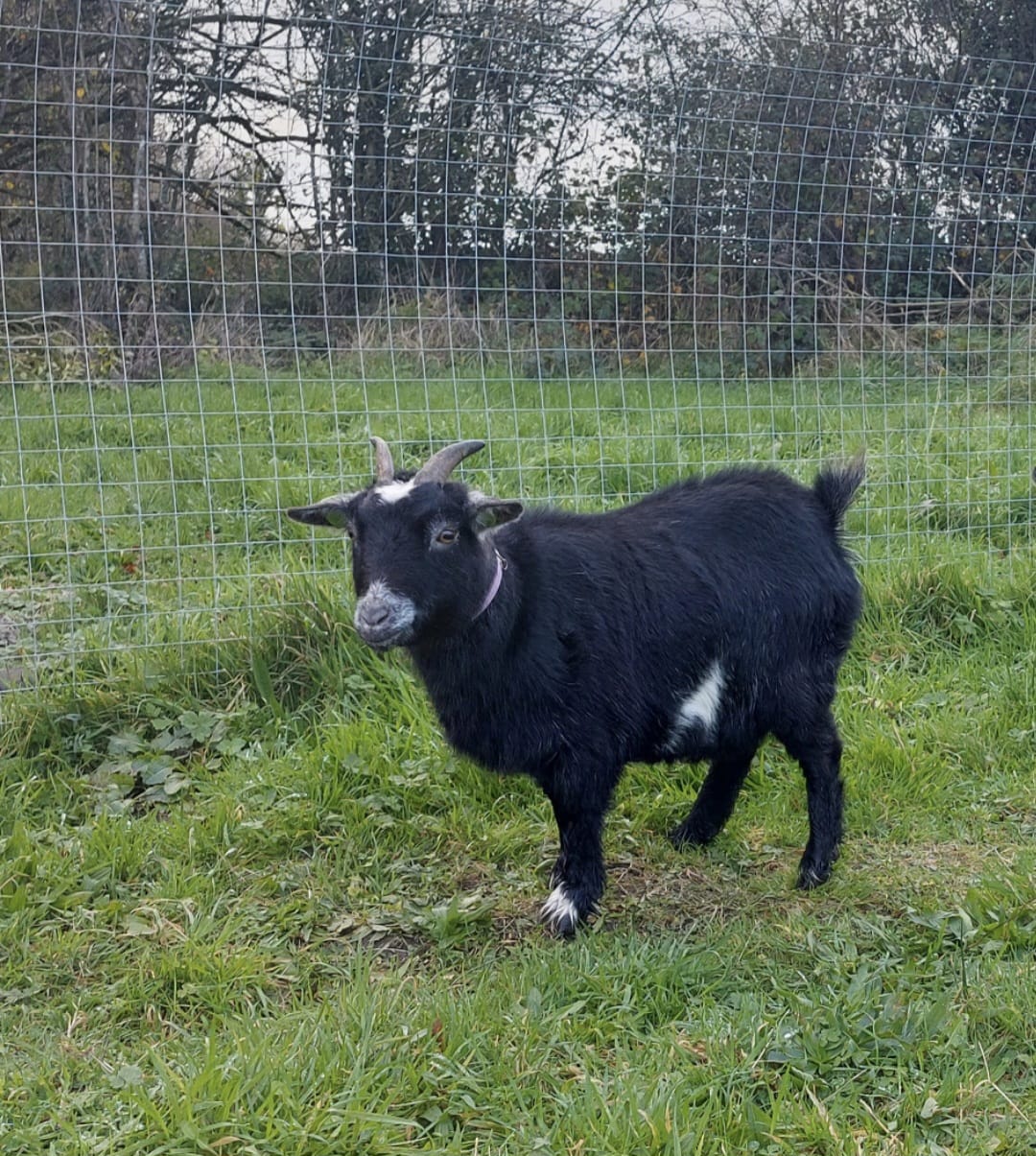
Roisín is a 6-year-old pygmy goat and the proud mother of Dearbhla and Sinéad. She is calm and gentle, often happy to stand back and observe while still keeping a caring presence in the group. Roisín enjoys her own space, which makes her a wonderful role model for respecting boundaries and showing that everyone interacts in their own way.
Dearbhla – The Lap Goat 🐐
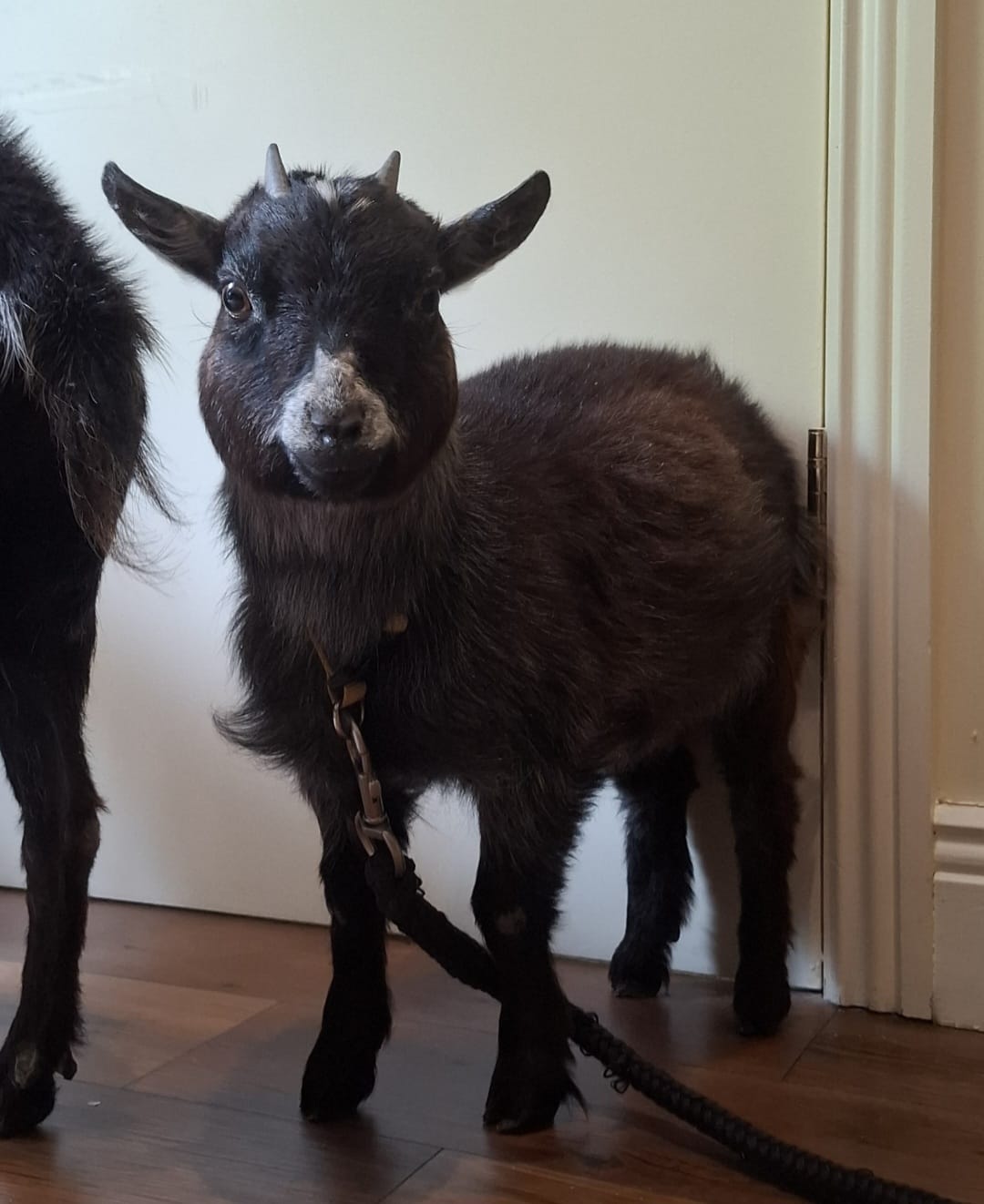
At just one year old, Dearbhla is full of energy and affection. She loves nothing more than hopping onto your lap and leaning in for rubs. Her playful and friendly personality makes her a favourite for encouraging interaction and connection during sessions.
Sinéad – The Curious Newcomer 🐐
Born in July 2025, Sinéad is the newest addition to our team. Still very young, she is already showing her love for human company, often bleating excitedly when she sees her humans each morning. Sinéad is curious, affectionate, and learning quickly, making her a joyful presence in therapy.
Scooby – The Beagle X 🐶
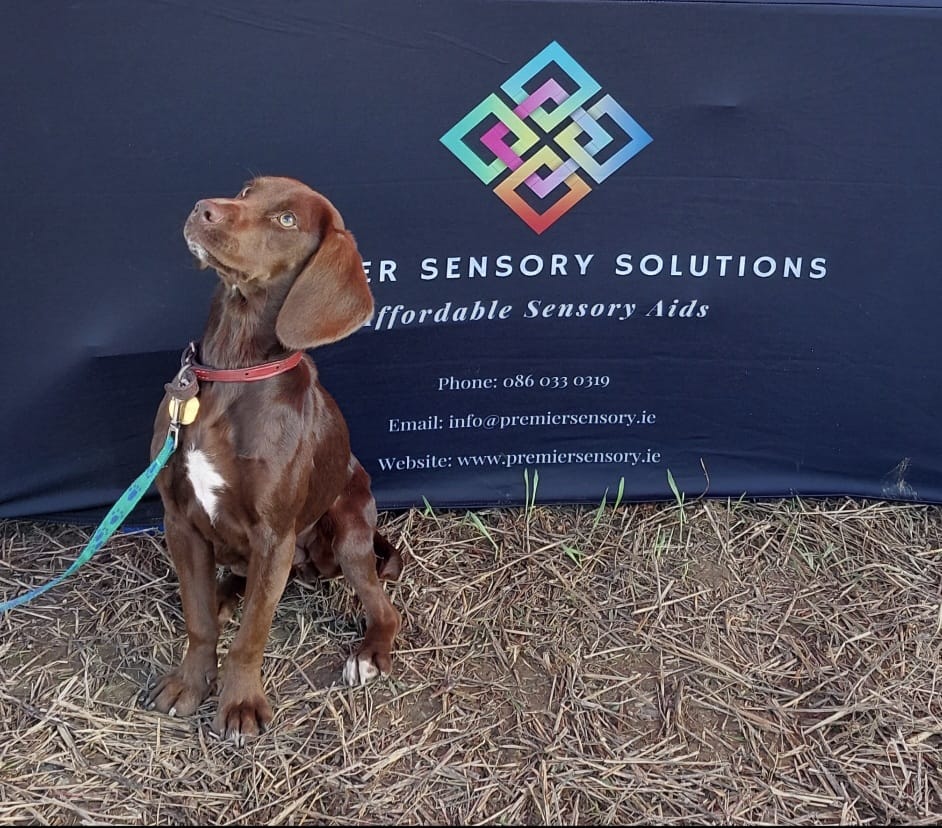
Scooby is a mischievous yet gentle 3-year-old rescue dog. With a keen nose and a playful personality, he loves exploring new scents and enjoying a bit of divilment. Despite his cheeky side, Scooby is very obedient, calm, and incredibly attuned to emotions, often sensing how someone feels and responding with cuddles or companionship. His chill nature makes him perfect for supporting communication, emotional regulation, and social connection.
Together, Roisín, Dearbhla, Sinéad, and Scooby create a safe, playful, and supportive environment for therapy. Animal Assisted Therapy is not automatically part of every occupational therapy programme. If a therapist or parent feels it may be beneficial, a conversation will take place to decide if and how it can best support the client’s goals.